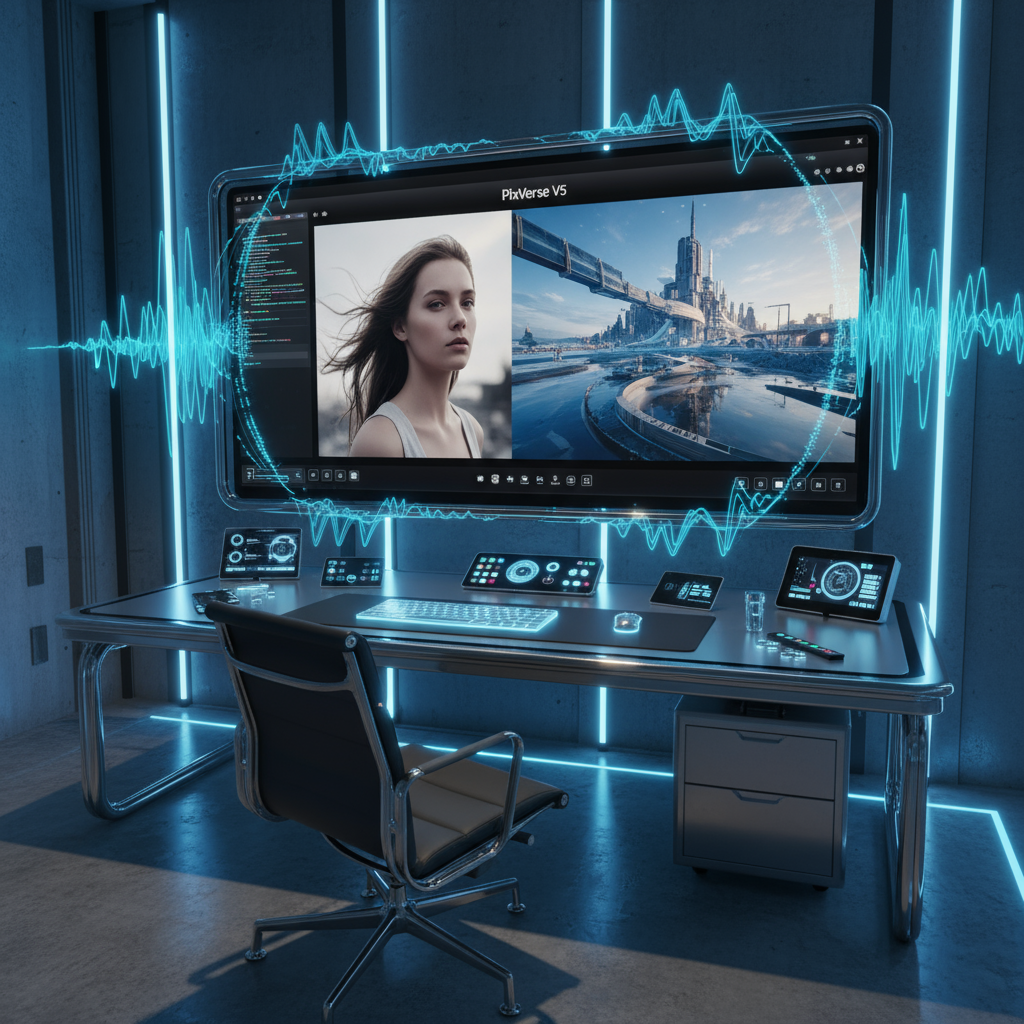
Rethinking Creativity in the Age of AI Video
For years, making video content felt like something reserved for people with gear, time, and technical skills. Today, that barrier is quietly disappearing. Creators, teachers, marketers, and even people who never considered themselves “video people” are starting to experiment with motion as a natural extension of their ideas. Instead of asking, “Do I have the tools to make this?”, they are beginning to ask, “What story do I actually want to tell?”
AI video platforms sit right at the center of this shift. They do not erase the need for human imagination; they amplify it. By turning text and images into moving scenes, they allow you to explore concepts that would have been too expensive or time‑consuming to produce before. That means more people can participate in visual storytelling, regardless of their equipment or editing background. In this landscape, the tools you choose become less about replacing you and more about supporting the way you think and create.
From Imagination to Moving Image in Minutes
One of the most exciting aspects of modern AI video tools is how directly they respond to your ideas. You are no longer limited to footage you can physically capture. Instead, you can describe a moment, a feeling, or a world in words and see it rendered as motion. Or you can take a still image you love and ask the system to breathe life into it, adding depth, camera movement, and environmental detail.
Platforms built around text‑to‑video and image‑to‑video workflows make this process surprisingly intuitive. You might write a prompt about a lone traveler walking through a neon city in the rain, or upload a character portrait and ask for a slow cinematic zoom with subtle background motion. The more clearly you describe style, mood, and motion, the closer the output comes to what you imagined. Instead of wrestling with a complex timeline, you are refining language—something most storytellers are already comfortable with.
Among these AI tools, PixVerse has positioned itself as a dedicated video generator that turns text prompts and static images into cinematic sequences with smooth motion, multiple artistic styles, and detailed control over duration, aspect ratio, and resolution. It supports both text‑to‑video and image‑to‑video, letting you start either from a concept written in words or from a still frame you want to animate. For creators, that flexibility opens up a wide range of use cases—from mood pieces and social clips to concept visuals for larger projects.
Why PixVerse Feels Like a Creative Collaborator
What makes a tool like PixVerse feel more like a collaborator than a gadget is the way it slots into your existing creative rhythm. Instead of replacing your role as a storyteller, it helps you move faster from “what if?” to something you can watch, react to, and refine.
At a technical level, PixVerse’s engine is built to generate cinematic videos from simple prompts or uploaded images, focusing on professional‑looking movement, detailed scenes, and a variety of art directions, including realistic, anime, clay, and 3D. You can type a description, choose parameters such as aspect ratio, duration, and resolution, and receive a short clip—often in just a few minutes—that already feels polished enough to test with an audience or build upon in an editor.
Recent model releases, like PixVerse V6, have pushed this further by improving camera work, character performance, and multi‑shot storytelling, even adding native audio and 15‑second 1080p outputs designed for modern distribution standards. These upgrades are not only technical milestones; they change what is realistic for a solo creator to attempt. You can move beyond single experimental shots toward coherent sequences that carry a narrative arc and feel closer to professional production.
For many people, the real breakthrough is psychological. When you know you can generate a high‑quality draft quickly, it becomes less scary to experiment. You might try a surreal dream sequence to introduce a podcast episode, a short animated explainer for a complex topic, or a character‑driven scene to promote a story—all without committing days to production. PixVerse becomes a place where you sketch in motion, discover unexpected visuals, and learn what fits your voice.
A More Sustainable Way to Show Up Consistently
Consistency is one of the hardest parts of any creative practice. Inspiration does not always show up on schedule, and even when it does, the time and energy required to produce content can quickly lead to burnout. AI video tools can support sustainability by absorbing the most repetitive, technical steps and leaving you with more space for direction, narrative, and connection with your audience.
A practical rhythm might look like this: you outline a handful of ideas you care about, translate each into prompts or image‑based concepts, and generate multiple short clips with PixVerse to explore different angles. You then share those drafts selectively, paying attention to what sparks conversation or emotion. The stories that resonate can be upgraded with voiceover, additional editing, or live‑action footage, while the rest become valuable experiments instead of sunk cost. Over time, this cycle of generating, testing, and refining helps you build not just a library of assets, but a clearer understanding of your own style.
In that sense, PixVerse is not just about speed; it is about helping you protect your energy for the parts of the process that only you can do—choosing what matters, framing the message, and showing up authentically.
Learning Through Real‑World Tutorials and Play
If you are curious about what working with PixVerse actually looks like in practice, watching creators share their full process can be incredibly helpful. Many tutorials walk through account setup, prompt writing, parameter choices, and the logic behind different styles, giving you a front‑row view of how ideas move from text and images to finished clips.
Here is an example of a YouTube tutorial you can embed in your article to give readers a concrete starting point for exploring AI text‑to‑video workflows:
This kind of step‑by‑step guide shows how to move from simple text to fully generated video, how to think about themes and styles, and how to iterate until the visuals match the story in your head.